PCOD and PCOS Treatments

PCOD PCOS doctor PCMC

PCOD fertility treatment Pune

PCOD/PCOS treatment at La Femme Fertility

PCOD/PCOS treatment at La Femme Fertility in Wakad, Pune is led by Dr. Bhagyashri Naphade, an ASRM-awarded infertility specialist with PCOS as a primary research interest. Treatment includes hormonal management, ovulation induction, insulin sensitization, lifestyle modification, laparoscopic ovarian drilling and IVF for resistant cases. The clinic serves patients across Pune, PCMC and Thergaon.

At every phase of your women’s health journey, our dedicated team at NariHealth is here to provide guidance, answer your queries, and facilitate connections with experienced healthcare professionals. Kindly share your contact information, and our welcoming reception team will reach out to assist you promptly.

If you have been told you have PCOD or PCOS, you probably have a dozen questions running through your mind. Will I be able to have children? Why am I gaining weight despite eating carefully? Will this ever go away? Why are my periods so unpredictable? And perhaps the most frustrating question: why does every doctor seem to give a slightly different answer?

Polycystic Ovary Syndrome (PCOS) - also commonly referred to as PCOD (Polycystic Ovarian Disease) in India - affects an estimated 1 in 5 women of reproductive age in the country. In cities like Pune, the numbers are even higher due to lifestyle factors like sedentary work habits, stress and processed food consumption. It is arguably the most common hormonal disorder in young women, yet it remains one of the most poorly explained conditions in routine gynecology practice.

At La Femme Fertility in Wakad, PCOD/PCOS is not a side topic - it is one of Dr. Bhagyashri Naphade's primary clinical and research interests. She has published extensively on the condition and manages it not as a one-size-fits-all diagnosis, but as a spectrum that requires individualized care.
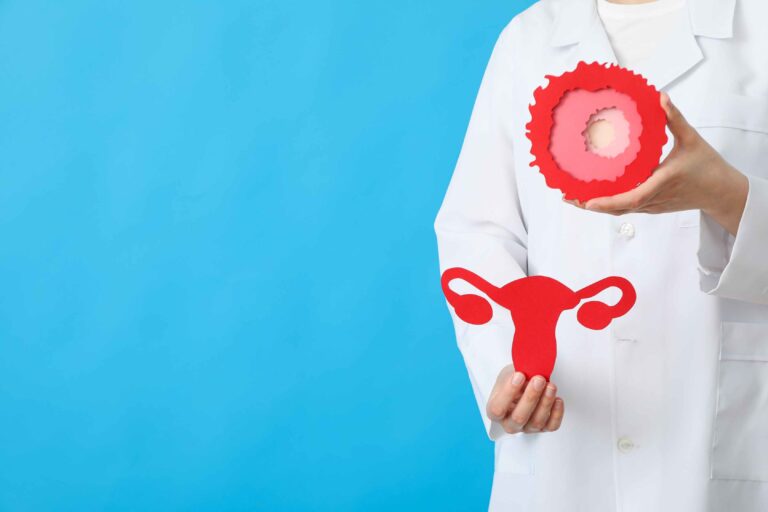
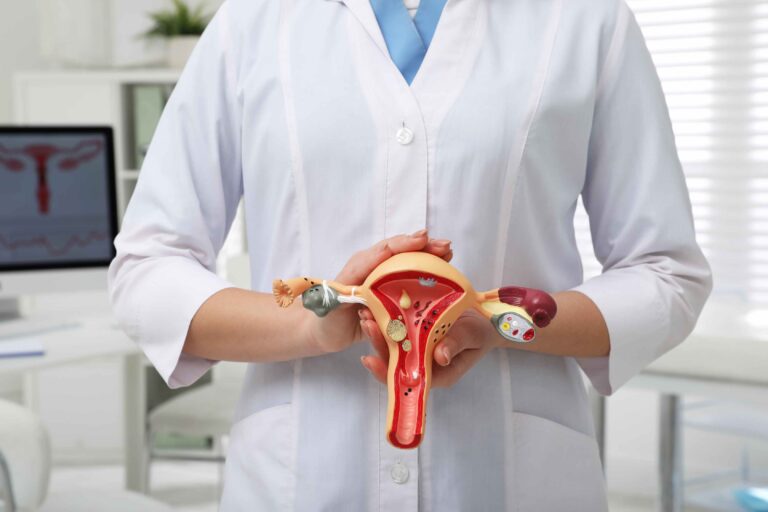
PCOD and PCOS Treatment by Dr Bhagyashri Naphade

PCOD vs. PCOS - Is There Actually a Difference?
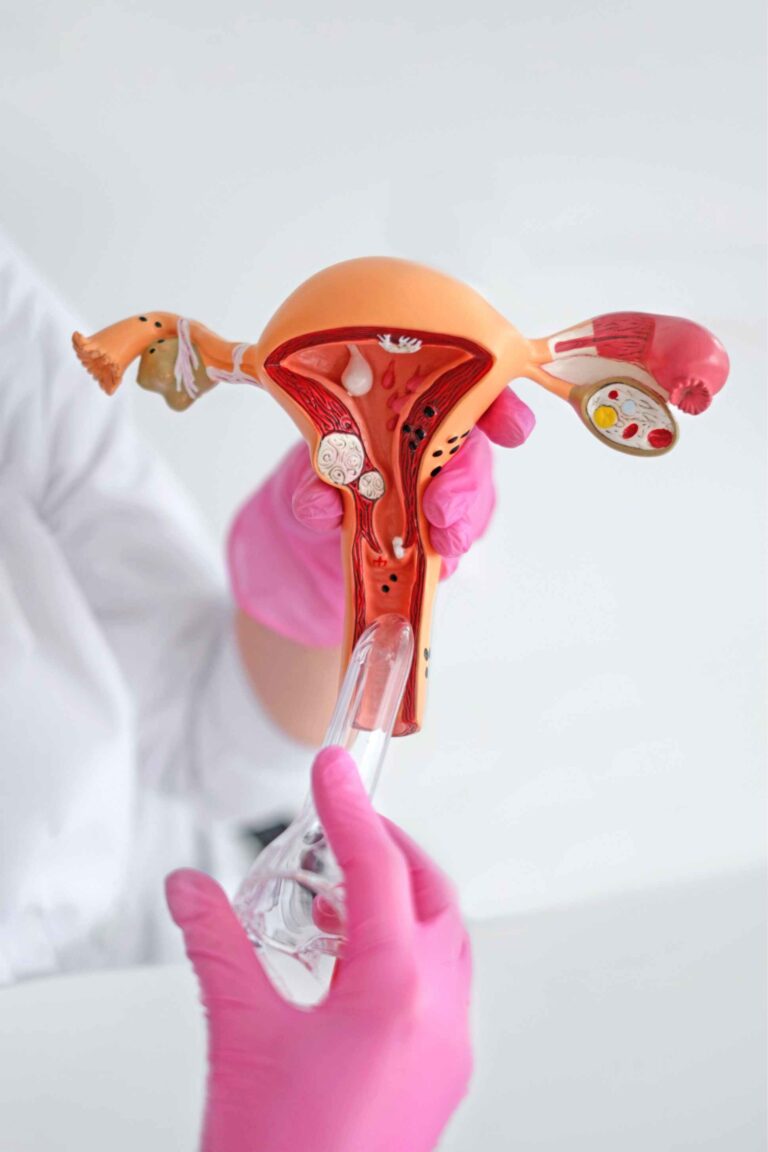
This is one of the most searched questions in India and the confusion is understandable. Strictly speaking, PCOD is a broader, less severe condition where the ovaries produce many immature or partially mature eggs, which can become cysts. PCOS is a more significant metabolic and endocrine disorder that affects the entire hormonal system.

In clinical practice, however, most specialists – including Dr. Naphade – treat the two as part of the same spectrum. The important thing is not which label applies to you, but rather what symptoms you are experiencing, how severe your hormonal imbalance is and what your goals are (whether that is regular periods, weight management, acne control, or pregnancy).

Symptoms That Bring Women to Our Clinic

  • Irregular or absent periods – going 2-3 months or longer between cycles
  • Difficulty getting pregnant despite regular unprotected intercourse
  • Unexplained weight gain, especially around the abdomen
  • Persistent acne, particularly along the jawline and chin
  • Excessive hair growth on the face, chest, or back (hirsutism)
  • Thinning hair on the scalp
  • Darkening of skin in the neck folds, armpits, or groin (acanthosis nigricans)
  • Mood swings, fatigue and sleep disturbances

If three or more of these sound familiar, a proper evaluation with a specialist – not just a general physician – is strongly recommended.

  • How La Femme Diagnoses PCOD/PCOS

Diagnosis is based on a combination of clinical symptoms, blood tests and ultrasound findings. At La Femme, Dr. Naphade uses the Rotterdam criteria (the international gold standard) along with additional metabolic testing that many clinics skip:

  • Hormonal panel: FSH, LH, testosterone, DHEA-S, prolactin, thyroid function
  • Metabolic panel: Fasting insulin, fasting glucose, HbA1c, lipid profile
  • Pelvic ultrasound: Antral follicle count and ovarian morphology
  • AMH (Anti-Mullerian Hormone): Helps assess ovarian reserve and PCOS severity

The metabolic testing is critical. Many women with PCOS have insulin resistance – their bodies produce too much insulin, which in turn drives excess testosterone production and disrupts ovulation. Treating the insulin resistance often improves all other symptoms dramatically. Without testing for it, doctors miss this connection entirely.

Diagnoses PCOD/PCOS

Additional metabolic testing that many clinics skip:

  • Treatment Approaches at La Femme

Treatment depends entirely on your primary concern. A 22-year-old college student dealing with acne and irregular periods needs a very different plan from a 32-year-old professional trying to conceive. Dr. Naphade tailors every plan accordingly.

For Menstrual Regulation:

Oral contraceptive pills or cyclical progesterone to establish regular cycles. Anti-androgen medications to address acne and excess hair growth. This is often the appropriate approach for younger patients not currently planning pregnancy.

For Weight and Metabolic Health:

Insulin-sensitizing medications (such as metformin) when insulin resistance is confirmed. Evidence-based dietary guidance – not generic advice, but specific recommendations for PCOS including reducing refined carbohydrates, increasing protein intake and incorporating anti-inflammatory foods. Structured exercise plans that focus on both aerobic activity and resistance training.

  • For Fertility

Ovulation induction using letrozole or clomiphene as first-line treatment. Gonadotropin injections for women who do not respond to oral medications. IUI combined with ovulation induction for eligible couples. Laparoscopic ovarian drilling for medication-resistant cases. IVF when other options have been exhausted – with modified protocols specifically designed for PCOS patients (who carry a higher risk of ovarian hyperstimulation).

  • For Skin and Hair Concerns

Anti-androgen therapy combined with topical treatments. Hormonal management that addresses the root cause rather than just the surface symptoms. Referral to dermatology when specialized skin treatments are needed alongside hormonal management.

PCOD and PCOS Treatment by Dr Bhagyashri Naphade

Frequently Asked Questions

PCOS is a chronic condition that can be effectively managed, but it does not have a permanent cure in the traditional sense. With proper treatment and lifestyle changes, most women achieve symptom control and can conceive successfully.

Many women with PCOD do conceive naturally, especially with lifestyle modifications and sometimes with mild medical support. The key is to restore ovulation, which is achievable in most cases.

Insulin resistance – common in PCOS – makes your body more efficient at storing fat, particularly around the midsection. Simply eating less often does not work. You need metabolic-specific dietary strategies combined with exercise and sometimes medication. Dr. Naphade addresses this head-on.