
sperm count specialist in PCMC
Male Fertility Doctor in Pune
Male infertility treatment at La Femme Fertility in Wakad, Pune includes semen analysis, hormonal therapy, lifestyle modification, antioxidant protocols and assisted reproduction (IUI, IVF-ICSI). Dr. Bhagyashri Naphade, with male fertility as a special interest, coordinates with urologists for varicocele repair and surgical sperm retrieval for patients across Pune and PCMC.
For decades, infertility has been treated - both medically and socially - as a "woman's problem." That misconception has caused enormous harm. Research consistently shows that male factors contribute to 40-50% of all infertility cases. In about 20% of cases, the male partner is the sole cause. Ignoring this reality wastes time, money and emotional energy.
Dr. Bhagyashri Naphade
SourceAt La Femme Fertility in Wakad, we see things differently. Male factor infertility is a medical condition - no different from high blood pressure or a thyroid problem. It is not a reflection of masculinity, virility, or worth. It is something that can be evaluated, understood and in the vast majority of cases, treated successfully.

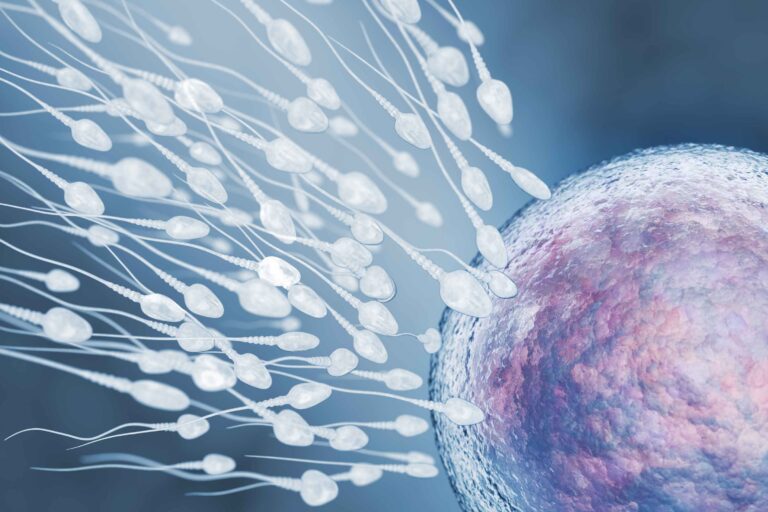
Common Causes of Male Infertility
- Low sperm count (oligospermia) – fewer than 15 million sperm per milliliter
- Poor sperm motility (asthenospermia) – sperm that do not swim effectively
- Abnormal sperm morphology (teratospermia) – high percentage of abnormally shaped sperm
- Azoospermia – complete absence of sperm in the ejaculate
- Varicocele – dilated veins in the scrotum that raise testicular temperature
- Hormonal imbalances – low testosterone, elevated prolactin, thyroid disorders
- Obstructive causes – blockages in the reproductive tract from infection, surgery, or congenital issues
- Lifestyle factors – smoking, excessive alcohol, obesity, heat exposure, certain medications
- Understanding Male Infertility
Male infertility is diagnosed when a couple has been unable to conceive and the male partner’s semen analysis or hormonal profile shows abnormalities that reduce the chances of natural conception. It is more common than most people realize – contributing to approximately 40-50% of all infertility cases globally.
The good news is that many causes of male infertility are treatable and advances in assisted reproduction (particularly ICSI) have made biological fatherhood possible even in severe cases that were considered untreatable just two decades ago.
- Diagnosis at La Femme
- Comprehensive Semen Analysis: The starting point. We evaluate sperm count, motility, morphology, volume and additional parameters. A single abnormal result does not mean infertility – we typically recommend two analyses spaced 2-4 weeks apart for accurate assessment.
- Hormonal Evaluation: Testosterone, FSH, LH, prolactin and thyroid levels are tested when the semen analysis is abnormal or when hormonal causes are suspected.
- Advanced Testing: DNA fragmentation index (DFI) for cases of unexplained infertility or recurrent IVF failure. Reactive oxygen species (ROS) testing when oxidative stress is suspected.
- Urology Referral: For physical examination, varicocele assessment and surgical evaluation when indicated. Dr. Bhagyashri Naphade works with trusted reproductive urologists in Pune for seamless, coordinated care.
- Why Patients Trust La Femme as Pune's Trusted Male Infertility Clinic
Infertility is often unfairly viewed as a “woman’s issue,” but at La Femme, we recognize that male factors contribute to nearly half of all conception challenges. Couples from across Pune, including Wakad, Hinjewadi, and Baner, trust Dr. Bhagyashri Naphade because she breaks this stigma by involving male partners as central participants in the fertility journey, rather than an afterthought. Our clinic is uniquely respected for providing a discreet, respectful environment where men can undergo thorough diagnostic evaluations—from advanced semen analysis to hormonal and metabolic mapping—without feeling uncomfortable or rushed. By combining evidence-based protocols with Dr. Naphade’s specialized clinical interest in male reproductive health, we ensure that both partners receive a coordinated, honest, and scientifically grounded roadmap to parenthood.
- Treatment Options
- Lifestyle and Nutritional Optimization: Quitting smoking, reducing alcohol, maintaining healthy weight, avoiding excessive heat exposure and supplementing with evidence-based antioxidants (CoQ10, vitamin E, zinc, selenium, L-carnitine). These measures can meaningfully improve semen parameters over 3-6 months.
- Hormonal Treatment: For men with low testosterone, elevated prolactin, or thyroid imbalances, targeted hormonal therapy can restore sperm production.
- Medical Treatment for Infections: Genital tract infections can impair sperm quality. Antibiotic treatment when white blood cells are elevated in the semen can improve parameters.
- Varicocele Repair: Varicoceles are present in about 35-40% of men with infertility. Surgical correction can improve sperm count and motility in many cases.
- IUI (Intrauterine Insemination): When sperm count or motility is mildly reduced, concentrating and washing the sperm and placing it directly in the uterus can increase the chances of conception.
- IVF with ICSI: For severe male factor infertility. ICSI requires only one viable sperm per egg, making it effective even with very low counts or surgically retrieved sperm.
- Surgical Sperm Retrieval: For men with azoospermia (no sperm in the ejaculate), procedures like TESA, MESA, or micro-TESE can retrieve sperm directly from the testis or epididymis for use with ICSI.
- Male Fertility in Pune: Facts & Figures (2025–2026)
- Equal Contribution: Clinical data in Pune now shows that male factors are a primary or contributing cause in approximately 45% to 50% of all infertility cases.
- The “IT Lifestyle” Impact: In high-stress residential and commercial hubs like Hinjewadi, Wakad, and Baner, nearly 1 in 3 men presenting for fertility evaluations show signs of Oligospermia (low sperm count) or poor motility.
- Environmental Stressors: Research indicates that Pune’s rapid urbanization—specifically increased heat exposure, sedentary desk work, and air pollution—has led to a measurable rise in Sperm DNA Fragmentation.
- Rising Diagnostic Awareness: There has been a 25% year-over-year increase in men opting for advanced testing, such as the Sperm DNA Fragmentation Index (DFI), moving away from the traditional stigma toward proactive health management.
- Surgical Trends: The demand for advanced sperm retrieval techniques, such as Micro-TESE, has surged as more couples in Pune opt for specialized ICSI treatments to overcome severe male-factor challenges.
- Age Factor: While fertility is often discussed in relation to maternal age, Pune clinics are seeing a growing trend of “Paternal Age Effect,” with a higher volume of men over age 40 seeking assistance due to declining semen quality.
Frequently Asked Questions
Can male infertility be cured?
Many causes of male infertility are treatable or reversible. Hormonal imbalances, infections and varicoceles can often be corrected. For irreversible causes, ICSI provides an effective pathway to biological fatherhood.
Does age affect male fertility?
Yes, though less dramatically than female fertility. Sperm quality, particularly DNA integrity, declines gradually after age 40. Men over 45 may have lower fertility and slightly higher risks of certain conditions in offspring.
How long does it take for treatment to improve sperm?
Sperm production takes about 74 days. Most medical interventions require 3-6 months before their effect is visible on a semen analysis. Patience is important.
Is the evaluation embarrassing?
We understand the concern. The team at La Femme ensures that the process is handled with complete privacy and respect. Semen collection facilities are private and comfortable. Dr. Naphade discusses results with sensitivity and practical clarity.